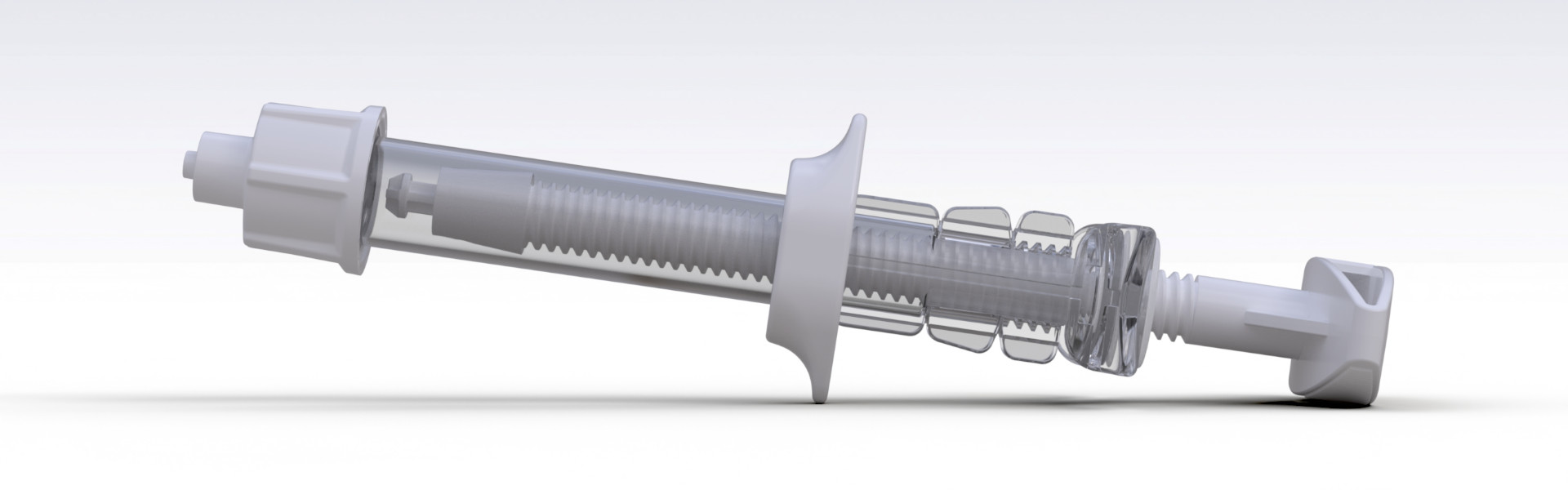
Vertebroplasty Device Case Study
This project was undertaken for Firsthand Design, a specialist medical product design consultancy, to explore innovative methods of improving the delivery of PMMA-based bone cement during vertebroplasty procedures. The objective was to simplify the dispensing process by reducing the number of components required while maintaining effective delivery of increasingly viscous bone cement.
Project Overview
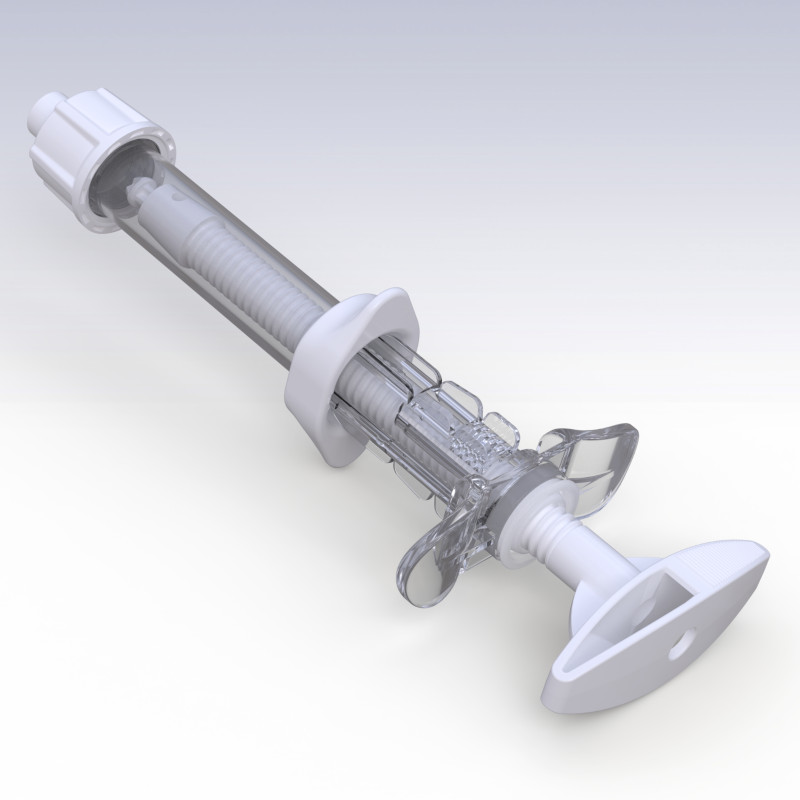
Working from an open design brief, I was responsible for concept generation, mechanical design and engineering development, producing a novel syringe concept that combined conventional manual operation with a secondary high-force dispensing mechanism.
The Challenge
PMMA bone cement undergoes a rapid increase in viscosity as it cures, making it progressively more difficult to dispense through narrow cannulas using a conventional syringe. Existing solutions relied on bulky external dispensing guns to generate the additional force required, introducing extra components, increased handling and additional preparation within the clinical environment.
The challenge was to engineer an elegant, integrated solution that eliminated the need for a separate pressurising device while remaining intuitive to operate, cost-effective to manufacture and suitable for use in a demanding medical application.
Engineering & Development
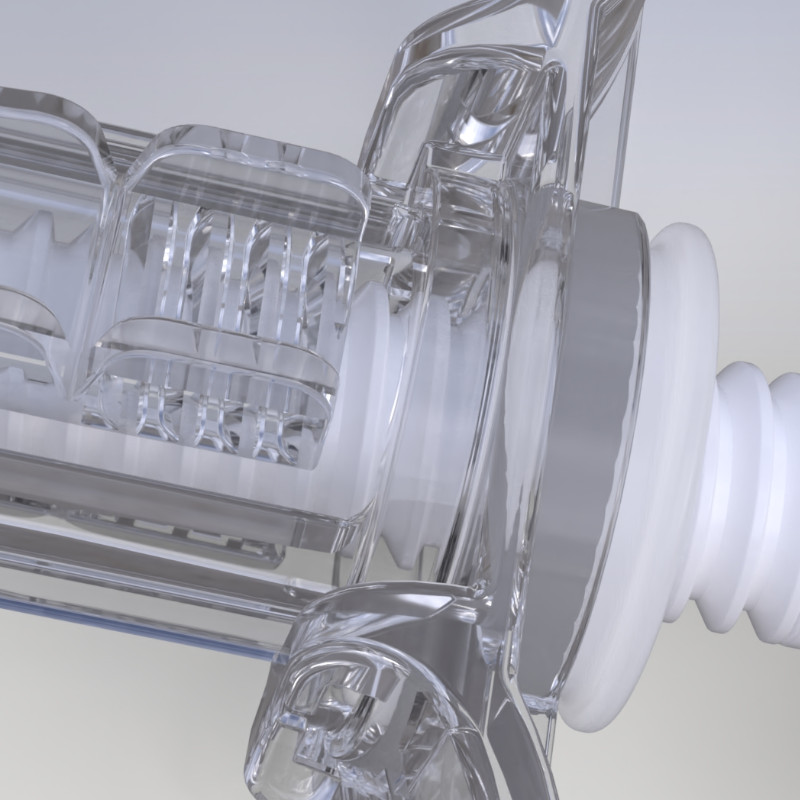
Following the evaluation of numerous design concepts, I developed an innovative hybrid syringe that combined conventional plunger operation with a screw-assisted drive mechanism. The user could initially dispense the bone cement manually before engaging a threaded mechanism to generate significantly greater dispensing force as the cement viscosity increased.
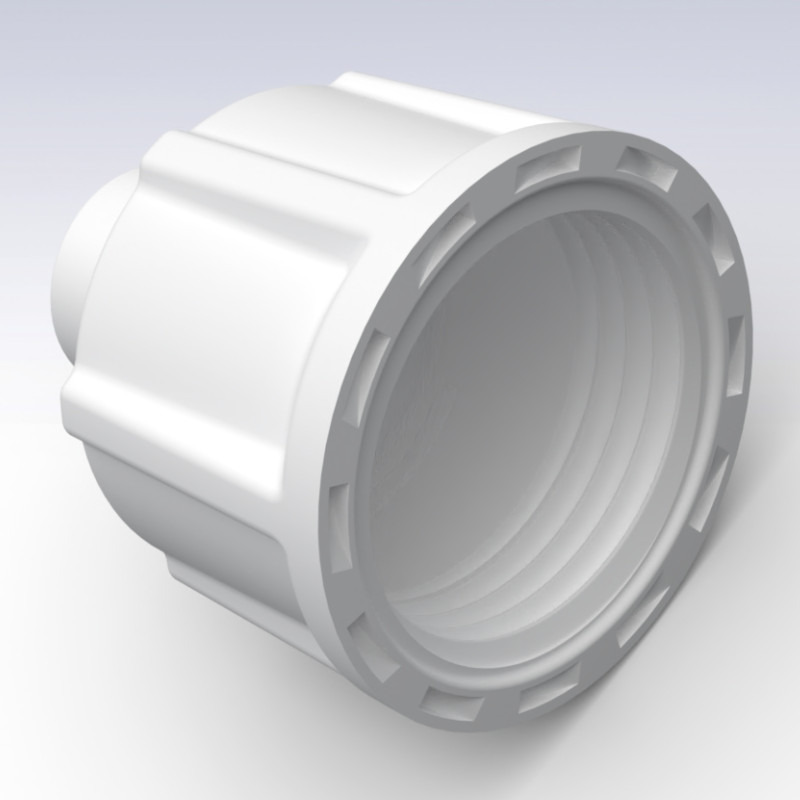
The final concept incorporated a single-piece syringe barrel with an integrated locking collar that engaged a threaded plunger when required. Considerable engineering effort was invested in refining the engagement mechanism, ensuring the threaded components could reliably withstand the high axial loads generated during dispensing while remaining straightforward to manufacture and assemble. Throughout development, careful attention was given to minimising component count, reducing manufacturing costs and maintaining a simple, intuitive user experience.
Outcome
Although the concept was ultimately not commercialised, the project demonstrated how innovative engineering and lateral thinking can simplify complex medical procedures. By integrating two dispensing methods within a single device, the design eliminated the need for an external pressurising gun while providing a practical solution to the challenges associated with dispensing high-viscosity bone cement. The project remains an excellent example of concept development, mechanical innovation and user-focused medical device engineering.