Pre-Clinical PET & CT Imaging System Design Case Study
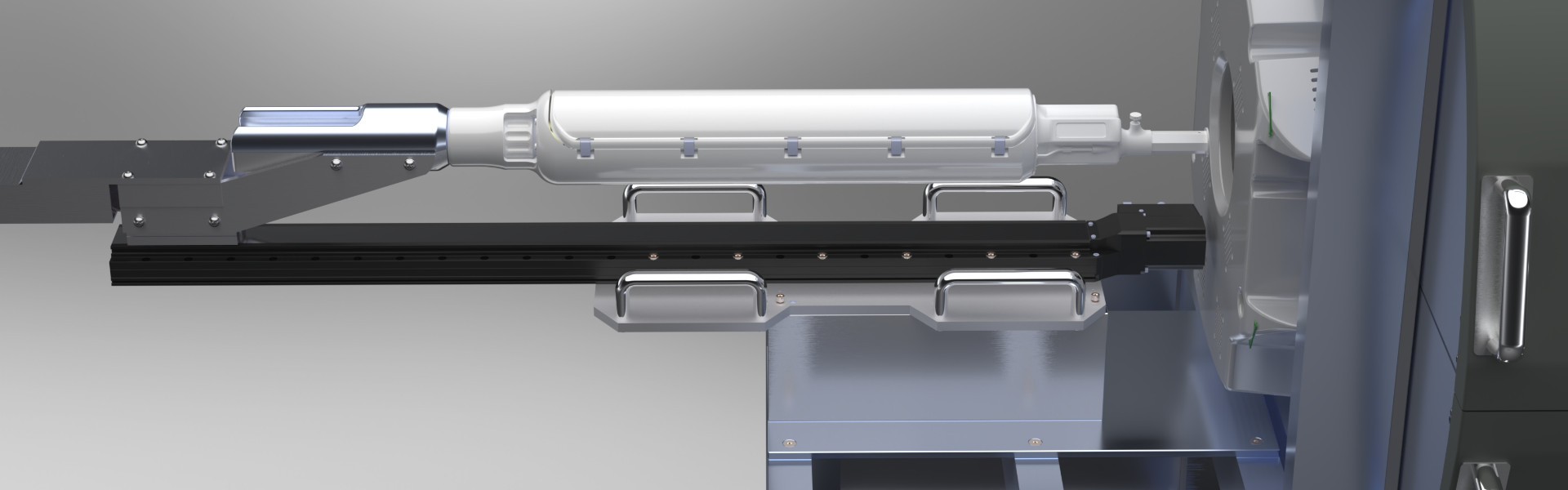
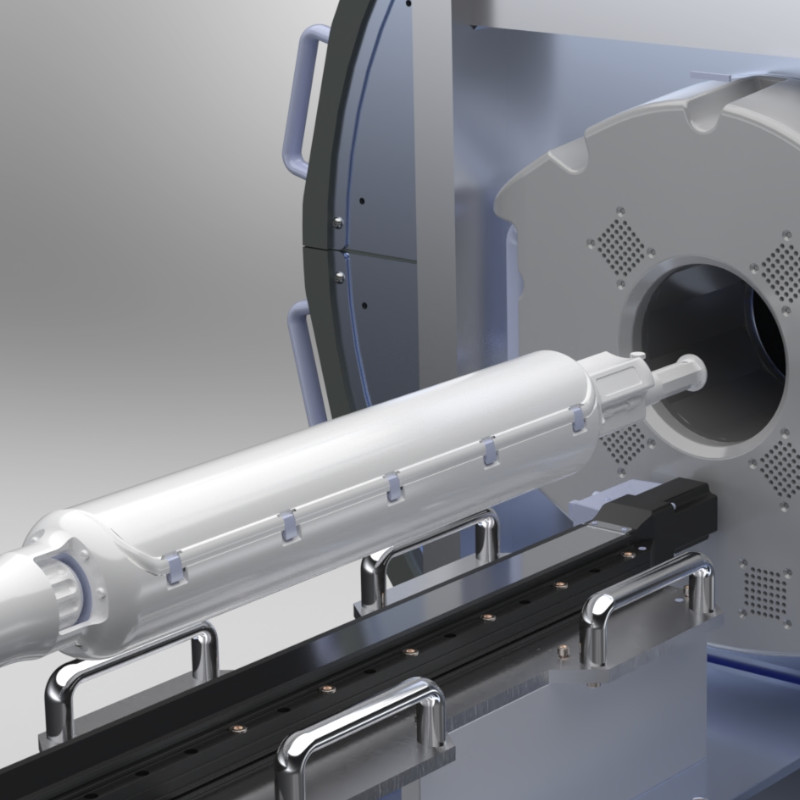
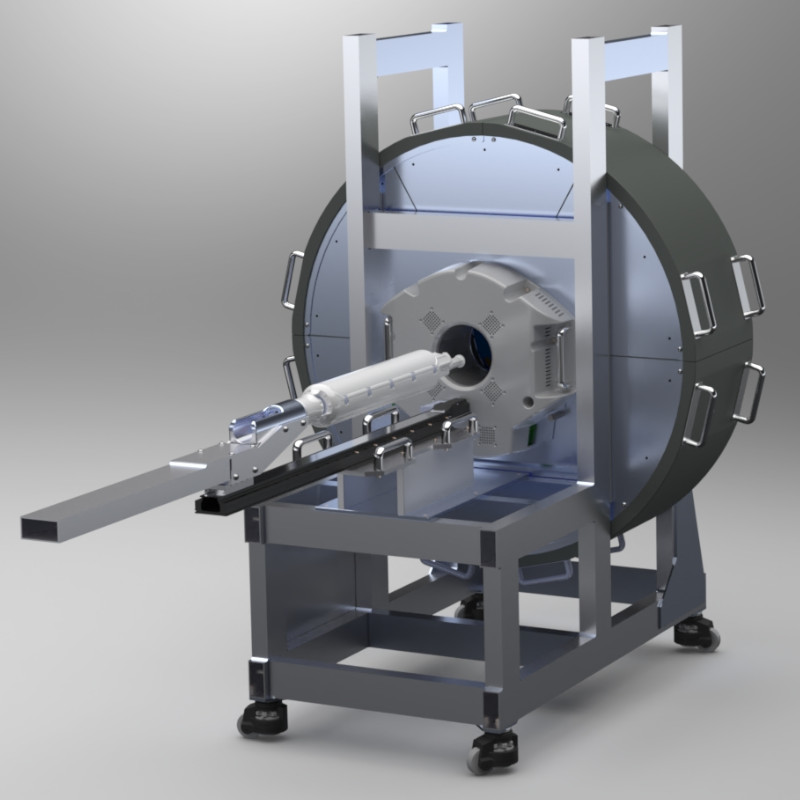
MR Solutions commissioned the development of a new pre-clinical imaging platform combining high-resolution Computed Tomography (CT) with one of their existing Positron Emission Tomography (PET) systems. Having previously led the mechanical development of several PET and MRI products for the company, I was invited to design the complete CT subsystem, integrating precision linear and rotary motion stages, a high-energy X-ray source, detector assembly, and a fully shielded enclosure capable of supporting multi-modality imaging.
Project Overview
As MR Solutions' first large CT product, the project represented a significant expansion of their product portfolio and laid the foundations for subsequent CT-based imaging systems.
The Challenge
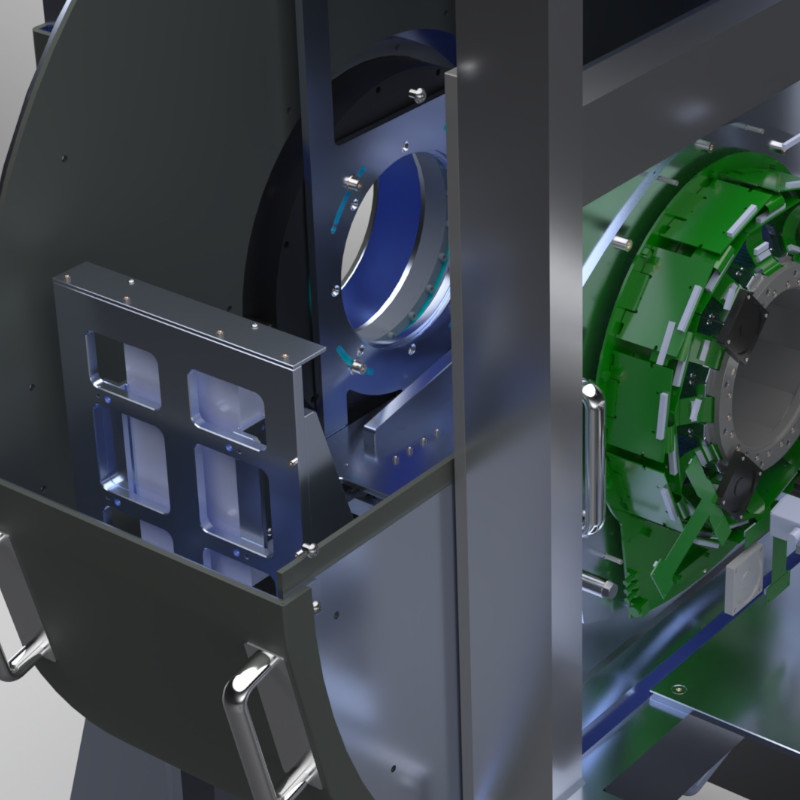
One of the primary engineering challenges was the safe containment of high-energy X-rays. The enclosure required extensive lead shielding to prevent radiation leakage while remaining practical to manufacture, assemble and transport. Lead presented both health and safety considerations during manufacture and a substantial increase in overall system weight.
To overcome this, I designed a lightweight welded aluminium structural frame capable of supporting several hundred kilograms while maintaining sufficient rigidity for precision imaging and remaining transportable for laboratory installation. The lead shielding was incorporated as removable internal panels that were only handled during assembly, minimising future exposure and simplifying servicing.
A second challenge involved the rotating CT gantry. The X-ray source and detector required rapid, highly accurate rotational movement around the subject to reconstruct three-dimensional images. Early concepts investigated the use of dedicated electrical slip rings to permit continuous rotation; however, cost, procurement times and project constraints made this approach impractical. Instead, I evaluated commercially available precision rotary stages and developed a solution that limited rotational travel to controlled imaging cycles rather than continuous rotation. This eliminated the need for slip rings while maintaining imaging performance and greatly reducing both complexity and development risk.
Engineering & Development
Working closely with MR Solutions' electronics and software engineering teams, I was responsible for the complete mechanical architecture of the CT subsystem. The project required careful integration of precision motion systems, structural assemblies, shielding, cooling requirements and serviceability while ensuring compatibility with the existing PET platform.
Throughout development, mechanical design decisions were made in parallel with imaging software and electronic control development, allowing the system architecture to evolve as imaging performance and operational requirements became better understood.
Outcome
The system was successfully prototyped through a collaborative effort involving myself and a small engineering team. Following further refinement and product development, the design evolved into a commercially available pre-clinical PET & CT imaging platform within the MR Solutions product range.
The project demonstrated the successful integration of precision mechanical engineering, radiation shielding, motion control and system-level design into a robust scientific instrument capable of delivering high-resolution multi-modality imaging for research applications.
Further information about MR Solutions and their technology can be found on the MR Solutions website.